O que é mais fixe que esta Micro_Turbina?
Impecável!
Feita em Acrílico, eis algo para irem fazer às FabLabs... Mas atenção ás RPMs, que a segurança é muito importante.
How to Make a Mini Compressed Air Turbine
fozzy13
In case you didn't know this yet, compressed air is pretty awesome. With simple
mechanical systems - pumps - energy can be stored and used for an
infinite amount of applications. What I like about compressed air is
how simple and accessible it is. Anyone with a bike pump can start
moving air to greater pressures. Soda-pop bottles can be turned into
air tanks, and by looking a little online and on Instructables, you'll
find people who've used compressed air to do everything from shooting
water balloons to powering a bicycle.
In this Instructable, I will show how I made a miniature compressed air turbine.
Isto não é só importantíssimo para os Deficientes Físicos, porque pode ser feito por vós mesmos, como pode servir para quando precisam de mais uma mão, para segurar em algo, quando estão a trabalhar, e não há ninguém... Á mão!
E o que dizer de tarefas demasiado perigosas para lá arriscar os dedos?
Altamente útil e meritório.

DIY Prosthetic Hand & Forearm (Voice Controlled)
Mizchief100
Do you live with only one hand, or ever feel two just isn't enough? Well now you
can make another! This project combines two very cool things: an arduino
voice recognition shield and an open-source 3D printed robotics project
called
InMoov.
Basically what I've done is modify the InMoov hand/forearm to be usable
as a prosthetic (or additional appendage) and add a VR (voice
recognition) shield to receive verbal commands and then make
corresponding motions with the hand. The advantage of voice control is
that it doesn't require muscles and is more flexible to different
physical conditions (also hands free!).
My program includes 15 general hand gestures and actions for everyday living! When I was looking into
myoelectric arms
kept thinking that the functionality wasn't worth the thousands of
dollars. While mine isn't as fancy as some it's remarkable what you can
create with desktop 3D printers, an arduino, and servos!

Se precisarem de mandar cortar em 6,7 mm, à Ponoko experimentem nesta Placa de 3 Camadas de Bambú:
NEW material: 3 ply Blonde Bamboo at Ponoko USA
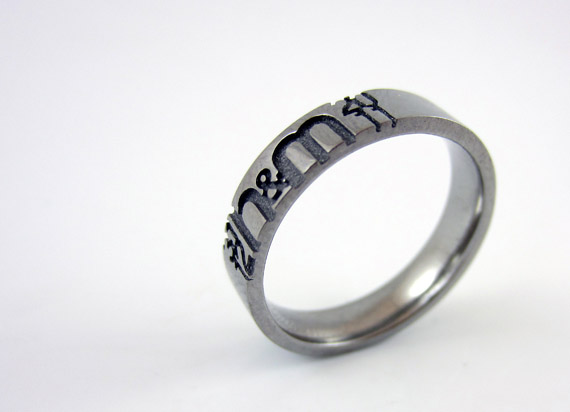
We’ve expanded our wood material selection with a thick, 3 ply version of our blonde bamboo.
This 3 ply bamboo is 6.7mm (about a quarter inch) thick, making
it a great option for home decor designs like coasters, clocks, table
top surfaces, and wall art. It’s double sided, so you could also make
bangles.
Já saíu a 2ª Edição da Revista Designspark, em 6 Línguas, façam o Download:
DesignSpark Magazine, your quarterly digest for news
DesignSpark magazine is a quarterly magazine for electronics design
engineers. Full of information about the latest technologies, software
and tools and build yourself projects DesignSpark magazine is available
to download for your pc, iPad, iPhone or Android tablet.
This issue of DesignSpark Magazine focuses on a new Raspberry Pi
expandable development solution; PiGo, highlights a new way you can
share and collaborate on projects via DESIGNSHARE, and gives you more
information about how to get involved in Paul Clarke's Earth Rover
project.
E para quem gosta de Quadracópteros e Smartphones, eis este Quadracóptero Autónomo, com um Smartphone como Cérebro!
Esta Rapaziada de Viena, com a Líder do Projecto, a bonita Annete Mossel, ah, ganda Engenhocas, esta Equipe está de parabéns...
Será que não seria uma altternativa barata para vigiar as nossas Florestas, à cata de Incêndios?


Autonomous quadcopter uses a smartphone as its brains
Ben Coxworth
With
one possible exception,
autonomous quadcopters are not something that you would expect to be
inexpensive. A relatively cheap model may indeed be on its way, however.
Designed by the Vienna University of Technology’s Virtual Reality Team,
the tiny aircraft utilizes the processor and camera of an off-the-shelf
smartphone.
The Vienna team, led by chief engineer Annette Mossel, programmed the
quadcopter’s navigation software into the processor using an app.
Once in flight, the UAV uses the phone’s camera to identify QR-like
coded squares placed on the floor within a room. These allow it to
create a map of the room, so it can subsequently find its way around the
space on its own. Ultimately, plans call for it to be able to identify
actual objects naturally present in a room (such as tables and chairs)
using a Kinect-style depth sensor, and create its map using those.